A Practical Guide to Black Mold Removal for Homeowners
If you have discovered a patch of dark, slimy growth in a damp corner of your basement or behind a piece of furniture, you already know the sinking feeling that comes with it. That kind of mold is not just a cosmetic problem. It can trigger allergies, irritate your lungs, and if left unchecked, damage the structure of your home. In my years of hands-on work in Boston and surrounding areas of Massachusetts, I have seen the same mistakes repeated over and over. People grab a bottle of bleach, scrub hard, and hope for the best. That rarely works, and it sometimes makes things worse. This article covers what actually matters for black mold removal, from the initial assessment to the final steps of prevention.
Understanding the Problem: What You Are Dealing With
Not all dark mold is the dreaded toxic variety, but the two types that cause the most concern are Stachybotrys chartarum and Aspergillus. Stachybotrys chartarum is the classic black mold that grows on water-damaged drywall, wood, and paper products. It needs consistent moisture to thrive. Aspergillus is more common in dusty HVAC systems and can also appear in basements. Both can produce allergens and irritants. The EPA has published extensive guidance on mold remediation, and one of their core messages is that the source of moisture must be fixed before any cleanup begins. Otherwise, you are just painting over a leak.
The First Steps: Safety and Assessment
Before you touch anything, put on an N-95 respirator, gloves, and eye protection. Ordinary dust masks will not stop mold spores. An N-95 respirator is the minimum standard. You might also need a mold testing kit if you want to know exactly what species you are dealing with. However, in most residential cases, visual inspection and moisture detection are enough. If you see a patch larger than a few square feet, or if the mold has penetrated drywall or insulation, you should consider calling a professional with mold remediation certification from an organization like the IICRC. They have the training and equipment to handle large-scale contamination safely.
One common mistake is to start cleaning with bleach. I have seen it many times. Bleach can kill surface mold on non-porous materials like tile, but on porous surfaces like wood or drywall, the water in the bleach solution soaks in and feeds the mold deeper. The chlorine evaporates quickly, leaving the water behind to encourage regrowth. For that reason, many professionals now prefer products like Concrobium, which works by encapsulating the mold spores and leaving a residue that inhibits future growth. That approach is part of a broader strategy called encapsulation, which is often more effective than simple scrubbing.
When to Call a Pro: The Role of Certification
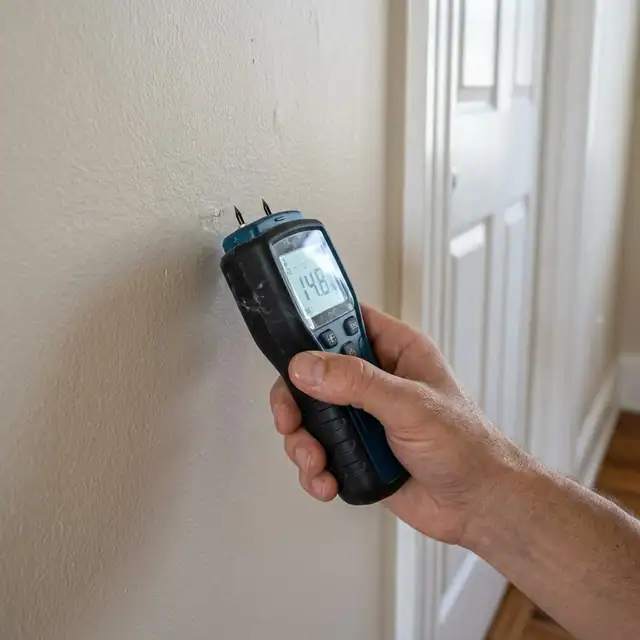
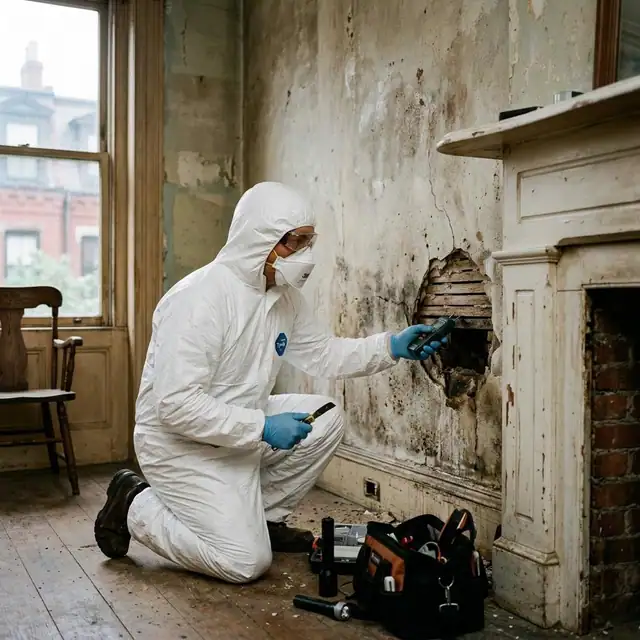
For black mold removal in a contained area like a bathroom ceiling or a small basement corner, a careful homeowner can sometimes handle it. But when the mold has spread behind walls, into the HVAC system, or across a large area of the basement, professional intervention is the safer route. Companies like the ones you find through moldremovalboston.org follow a systematic process: they isolate the area with plastic sheeting, run an air scrubber with a HEPA filter to capture airborne spores, and use HEPA vacuum cleaners on every surface. They also check for hidden moisture with moisture meters and thermal imaging. A certified firm will often have an IICRC accreditation, which means their technicians have undergone training in proper containment and cleanup protocols. That kind of certification is not just a piece of paper. It reflects real standards for how to handle contaminated materials, how to dispose of them, and how to verify that the job is done.
I once consulted on a job in an old triple-decker in Dorchester. The owners had tried to scrub a patch of mold in the basement with bleach and a rag. They ended up spreading spores throughout the basement and into the first floor through the HVAC system. What started as a small cleanup turned into a full remediation project that took three days and required replacing several sheets of drywall. That is the kind of domino effect that happens when you skip the fundamentals.
Practical Steps for a Small-Scale Cleanup
If you decide to proceed on your own with a small, contained area, here is a sequence that works:
- Identify and fix the moisture source. That could be a leaking pipe, a crack in the foundation, or poor ventilation. Without this step, the mold will come back.
- Isolate the work area. Close doors and windows to the rest of the house. Tape plastic sheeting over doorways if possible. Run a fan blowing out a window to create negative pressure.
- Wear an N-95 respirator, gloves, and eye protection. Do not skip this.
- Clean the affected surface with a product designed for mold, such as Concrobium or a mild detergent solution. Scrub gently to avoid sending spores into the air. Do not use bleach on porous materials.
- Dry the area thoroughly with fans or a dehumidifier. Run the dehumidifier for at least 48 hours afterward to keep humidity below 50 percent.
After cleaning, vacuum the area with a HEPA vacuum to capture any remaining spores. Then dispose of the vacuum bag and any contaminated rags in a sealed plastic bag. One thing I always tell people is to throw away the cleaning sponges and cloths. Do not wash them and reuse them. You will just spread the mold to other parts of your home.
The Bigger Picture: Prevention and Long-Term Control
The most important lesson I have learned is that black mold removal is only half the job. The other half is prevention. If you live in a climate like Boston's, with cold winters and humid summers, your basement is a prime candidate for mold. Water damage from snowmelt, rain, or plumbing leaks is common. A good dehumidifier running consistently in the basement can make a huge difference. You should also check your HVAC system regularly. Mold loves to grow in the dark, damp spaces of air handlers and ductwork. Having an antimicrobial treatment applied to the coils and drain pans during routine maintenance can reduce the risk.
Another effective measure is to encapsulate exposed surfaces in the basement. There are paints and sealants that contain antimicrobial additives. They form a barrier that makes it harder for mold to take hold. But again, encapsulation only works if the moisture problem is solved first. If water is still seeping through the foundation, the mold will find a way through the paint.
Why Professional Guidance Matters
I have seen homeowners spend hundreds of dollars on mold testing kits and sprays, only to discover that the mold was caused by a hidden leak behind a wall. In those cases, the money spent on products would have been better invested in a professional inspection. A good mold remediation company will not just clean the visible mold. They will identify the root cause, recommend repairs, and verify that the area is dry before they leave. They use equipment like moisture meters and borescopes to check behind walls and under floors. That kind of thoroughness is what separates a temporary fix from a permanent solution.
In Massachusetts, the Department of Public Health has guidelines for mold assessment and remediation. While there is no state license for mold removal, having a company that follows the EPA's guidelines and holds an IICRC certification gives you a level of assurance. It means they have committed to a standard of practice that includes proper containment, HEPA vacuuming, and air scrubbing. They also know how to handle situations where the mold might be toxic, like when Stachybotrys chartarum is present.
One final note: do not underestimate the value of an air scrubber with a HEPA filter. During a remediation job, the air in the work area can become thick with spores. An air scrubber running continuously will reduce the airborne count dramatically. That is something a homeowner usually cannot replicate with a box fan and a furnace filter. It is one of the reasons why professional black mold removal is worth the investment when the area is large or the contamination is deep.
Closing Thoughts
Mold is a persistent problem, but it is not unbeatable. The key is to approach it with a clear plan, the right tools, and a respect for the risks. Whether you are tackling a small patch in the basement or calling in a certified crew for a full remediation, the principles are the same: control the moisture, contain the spores, clean with the right products, and dry everything thoroughly. A dehumidifier, an N-95 respirator, and a HEPA vacuum are your basic tools. For tougher jobs, an air scrubber, Concrobium, and professional encapsulation are the next level. And if you ever find yourself in a situation where the mold has spread into the HVAC system or behind multiple walls, do not hesitate to get help from someone who does this every day. It will save you time, money, and a lot of frustration.
Ends · THEBLACKMOLDREMOVALDIGEST